

The journey of gambling tracing its historical evolution through time
Origins of Gambling
The history of gambling can be traced back to ancient civilizations, where it emerged as an integral part of social and cultural activities. The earliest forms of gambling can be found in archaeological discoveries from ancient China, where rudimentary games involving betting on outcomes were played. This early form of gambling was not just a pastime but also a method of divination, as ancient cultures often believed that luck and fate were influenced by supernatural forces. Even in today’s world, where numerous options exist, including online casinos, the thrill and excitement of gambling remain deeply rooted in human culture.

As time progressed, gambling became increasingly organized. Ancient Rome introduced various betting games linked to gladiatorial contests and chariot races. These activities were not only popular among the masses but also played a role in political and social dynamics, where wealthy patrons would place bets to showcase their status and influence. Thus, the foundations of gambling were laid within the fabric of society, evolving as a reflection of cultural values and communal practices.
Development Through the Middle Ages
The Middle Ages marked a significant turning point in the journey of gambling, particularly in Europe. As the feudal system dominated, various forms of gaming evolved, including card games which gained immense popularity. These games, such as the early versions of poker and other betting games, often took place in taverns and were accompanied by the rise of gambling houses, which catered to the growing demand for such entertainment.
During this era, regulations began to emerge as governments sought to control and benefit from gambling activities. The introduction of laws aimed at regulating games of chance was a precursor to modern gambling legislation. This period not only demonstrated the social acceptance of gambling but also illustrated its potential for economic benefit, setting the stage for future developments in the gambling industry.
The Rise of Modern Gambling
The 19th century heralded a new era for gambling, characterized by the establishment of casinos and formal betting institutions. The first modern casino opened its doors in Venice in 1638, paving the way for luxurious establishments dedicated to gambling. The concept of betting on horse racing also became prevalent during this time, reflecting a shift in how people engaged with gambling, focusing more on organized events.
Advancements in technology, such as the invention of the roulette wheel and the introduction of slot machines, revolutionized the gambling landscape. These innovations not only attracted a wider audience but also increased the potential for profit. The allure of gambling became intertwined with notions of wealth and success, further embedding it into popular culture and entertainment.
Online Gambling Revolution
The advent of the internet in the late 20th century sparked a dramatic transformation in the gambling world. Online gambling platforms began to emerge, offering players the opportunity to engage in their favorite games from the comfort of their homes. This accessibility led to a surge in participation, with millions of users logging in to experience everything from virtual poker to online casinos.
The online gambling industry has since grown exponentially, driven by technological advancements and changing consumer preferences. With the introduction of mobile gaming and live dealer options, the experience has become more immersive and interactive. As a result, the landscape of gambling has transformed, making it a global phenomenon that continues to evolve with each passing year.
Insights and Strategies in Gambling
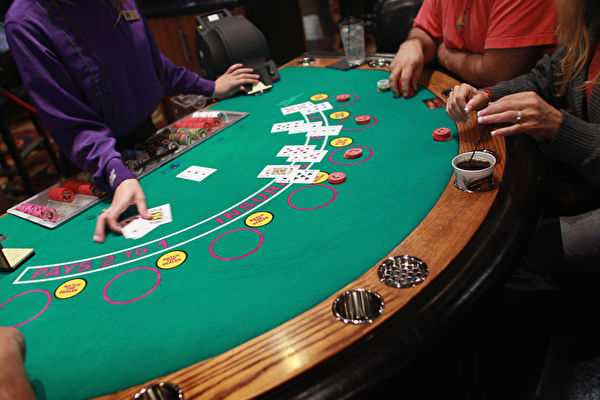
Today, gambling is not merely about luck; it involves advanced techniques and strategies that can enhance the player’s experience and success. Understanding probabilities, implementing bankroll management, and utilizing game theory are all critical elements for anyone looking to improve their gambling endeavors. These strategies have been refined through research and practice, allowing players to make informed decisions.
As the gambling industry continues to adapt, so too do the strategies employed by players. Innovative tools and resources now provide insights into patterns and trends, helping individuals navigate the complexities of gambling. By embracing these advanced techniques, players can enhance their skills and enjoy a more rewarding experience.


