


The ongoing judicial proceedings surrounding the Courthouse Break Lucky Jet game underscore significant regulatory challenges within the UK online gaming sector. Stakeholders face scrutiny from the UK Gambling Commission regarding the game’s alignment with the Gambling Act of 2005. As courts call for clearer legislation, the debate intensifies over the balance of innovation and compliance. This evolving situation raises critical questions about the future of gaming regulations and the implications for key participants in the industry.
Key Takeaways
- The UK Gambling Commission regulates games like Lucky Jet, ensuring compliance with the Gambling Act of 2005 for fair play and transparency.
- Recent court rulings stress consumer protection and underline the need for clarity in gaming legislation related to chance and skill.
- Judicial proceedings may address concerns over transparency in game mechanics, especially regarding payouts and player rights.
- Advocacy groups are pushing for stricter regulations to protect vulnerable players from addiction and exploitation in games like Lucky Jet.
- Ongoing judicial disputes could reshape market stability and industry standards, promoting a focus on responsible gaming practices and consumer trust.
Overview of the Courthouse Break Lucky Jet Game
The Courtroom Break Lucky Jet Game is an novel and enthralling tactic-oriented game that blends elements of chance and expertise within a judicial setting. Players navigate through a series of legal challenges and dilemmas, employing strategic thinking to outwit opponents. The game replicates courtroom scenarios, where decisions impact the outcome and real-time adjustments are necessary. Each round brings new evidence and testimonies, demanding players to modify their strategies accordingly. The balance of luck and skill guarantees that results are unforeseeable, increasing excitement and engagement throughout gameplay. This distinctive blend of mechanics not only amuses but also educates players about courtroom procedures. By promoting strategic thinking and decision-making skills, the game celebrates the spirit of challenge and competition, appealing to a broad audience.
The Judicial Framework Surrounding Online Gaming in the UK
Understanding the legal framework surrounding online gaming in the UK is imperative, especially as digital platforms like the Courthouse Break Lucky Jet Game proceed to gain popularity. The UK Gambling Commission governs online gaming, securing operators are licensed and compliant with stringent standards. Essential legislation, such as the Gambling Act of 2005, defines legal obligations, defending consumers while fostering data-api.marketindex.com.au fair play. Operators must apply measures to prohibit underage gambling and protect player funds. Additionally, rules on advertising and responsible gaming are applied to maintain an ethical environment. The growing digital landscape has initiated ongoing discussions regarding regulatory adaptations, reflecting the need for versatility in handling emerging technologies and gaming practices. Thus, the legal context remains vital for stakeholders maneuvering this ever-changing arena.
Key Players Participating in the Legal Proceedings
Key figures involved in the legal proceedings surrounding the Courthouse Break Lucky Jet Game include regulatory bodies, game developers, and lawyers. The United Kingdom Gambling Commission plays a pivotal role, ensuring compliance with national gaming regulations and addressing consumer protection concerns. Game developers are central to the proceedings as they defend their business practices and the integrity of the game. Legal representatives, including attorneys and advocates, navigate the complexities of the legal framework, representing both the developers and the regulatory bodies. Additionally, advocacy groups focused on gambling equity and transparency are also important players, pushing for accountability and ethical governance in the gaming industry. Together, these entities shape the ongoing dialogue about accountability in the online gaming landscape.
Recent Court Rulings and Their Impact
While the legal landscape surrounding the Courthouse Break Lucky Jet Game continues to evolve, recent court rulings have notably influenced the future of online gaming regulation. Courts have upheld the need for clarity in gaming legislation, prompting regulators to refine guidelines for operators. These rulings underscore the importance of consumer protection, establishing stricter measures against fraudulent practices. Moreover, judicial interpretations have reinforced the concept of fair gaming, compelling developers to ensure transparency in game mechanics. As a result, stakeholders now face both challenges and opportunities. Adapting to these judicial precedents will shape the operational framework, fostering a more robust environment that supports innovation while safeguarding players’ rights and freedoms in the online gaming sector.
Arguments For and Against the Game’s Legality
As debates surrounding the legality of the Courthouse Break Lucky Jet Game escalate, various arguments arise on both sides of the issue. Proponents claim that the game encourages individual freedom and creativity, qualifying as a form of entertainment rather than a gambling mechanism. They contend that participants engage voluntarily and derive enjoyment, demonstrating a modern interpretation of personal liberty. Conversely, critics argue that the game blurs the lines between luck and skill, posing risks of addiction and exploitation, particularly among vulnerable players. They emphasize the potential for regulatory oversight to protect consumers, suggesting that legal frameworks are necessary to ensure the integrity of gaming practices. Ultimately, the controversy underscores a clash between the desire for freedom and the imperative for regulation within the gaming landscape.
Potential Consequences for Game Developers
The legal proceedings surrounding the Lucky Jet game underscore several potential consequences for game developers. These include significant legal liabilities that could arise from non-compliance with regulations, as well as the challenges of adhering to evolving industry standards. Additionally, developers must consider the impact on their reputations and implement effective management strategies to restore public trust.
Legal Liability Considerations
Legal responsibility considerations for game developers, particularly in the context of incidents like the courthouse break involving the Lucky Jet game, underscore the importance of adhering to regulatory standards. Developers may face significant consequences if their products are found to incite unlawful behavior or do not comply with existing legal frameworks. Potential liabilities can include financial penalties, lawsuits from affected parties, and reputational damage. Moreover, failure to implement adequate safeguards could result in increased scrutiny from regulators and could stifle innovation within the industry. Game developers must therefore proactively assess their design, marketing, and distribution practices to mitigate risks. Ensuring responsible gaming and compliance can protect both the consumer and the developer, fostering a healthier gaming environment.
Regulatory Compliance Challenges
Navigating the complexities of regulatory compliance presents significant challenges for game developers, especially in light of incidents such as the courthouse break related to the Lucky Jet game. Laws concerning digital gaming are often multifaceted, varying from region to region and encompassing various aspects, including consumer protection, gambling regulations, and data privacy. Non-compliance may result in substantial penalties, including fines, operational restrictions, or even legal action. Game developers must also contend with constantly evolving regulations, requiring ongoing scrutiny and adaptation to legal frameworks. In an industry driven by innovation and public engagement, failure to uphold compliance can endanger not only financial viability but also the freedom to develop and expand creatively within permissible boundaries. luckyjetgame.eu
Reputation Management Strategies
Amidst the complexities of regulatory compliance, reputation management has emerged as a essential component for game developers, particularly in the aftermath of incidents like the courthouse break involving the Lucky Jet game. Effective strategies should encompass preemptive communication, clear practices, and engagement with the gaming community. By quickly addressing concerns and maintaining an open dialogue, developers can alleviate negative perceptions and bolster trust. Furthermore, leveraging social media to showcase positive contributions, such as community support and responsible gaming initiatives, can improve brand image. Ultimately, a strong reputation not only https://www.ibisworld.com/classifications/us-sic/7211/power-laundries-family-and-commercial/ cultivates consumer loyalty but also aids in maneuvering through future regulatory landscapes, making reputation management an integral pillar for maintaining success in the competitive gaming industry.
Implications for Players and Consumers
The legal proceedings surrounding the Lucky Jet game bring up significant questions about the rights of players and the protections granted to consumers in the gaming sector. As regulations develop to address these challenges, the potential impacts on the broader gaming industry may influence development practices and consumer trust. Understanding these implications will be crucial for both players and developers moving forward.
Legal Rights of Players
While regulatory frameworks governing gaming often differ by jurisdiction, the rights of players within the context of the Lucky Jet game raise notable implications for both participants and users alike. Players are entitled to a clear gaming environment, including clear information on probabilities, dangers, and rules. Furthermore, the principle of fair play necessitates that game mechanics must be free from manipulation. In addition, players have a right to data privacy, ensuring their personal information is protected against misuse. Intellectual property rights also play a crucial role, as players may seek to protect their distinctive strategies or choices. Overall, understanding and asserting these rights is crucial for fostering a responsible gaming atmosphere that respects player honesty and autonomy.
Consumer Protection Regulations
How do consumer protection regulations affect the experiences of players in the Lucky Jet game? These regulations are critical in ensuring fairness, clarity, and security within the gaming environment. Players benefit from clear terms and conditions that dictate gameplay, payment processes, and withdrawal mechanisms, reducing the risk of abuse and fraudulent practices. Additionally, required age verification and responsible gambling measures protect vulnerable users, promoting a more secure gaming experience. Compliance with these regulations compels developers to maintain high standards of service, ultimately fostering consumer trust. Consequently, informed players can engage with the Lucky Jet game while feeling secure in their rights, thus enhancing their overall gaming experience and satisfaction. These protections create a equitable landscape within which freedom in play is upheld.
Impact on Gaming Industry
As the video game industry advances, the consequences for gamers and consumers become progressively important, particularly in regard to well-known titles like Lucky Jet. Legal disputes involving such games can influence market steadiness, altering consumer trust and anticipations. Increased examination often leads to increased regulations, affecting game dynamics and payout systems, which may influence player involvement and contentment. Furthermore, judicial proceedings could encourage the creation of fairer game methods, benefiting customers by promoting transparency and accountability among creators. However, unaccounted rules might also limit creative elements, potentially stifling expansion. In general, the judicial landscape around Lucky Jet serves as a indicator for wider industry changes, emphasizing the fragile equilibrium between customer safeguarding and the desire for creative liberty in video games.
Regulatory Responses From Gambling Authorities
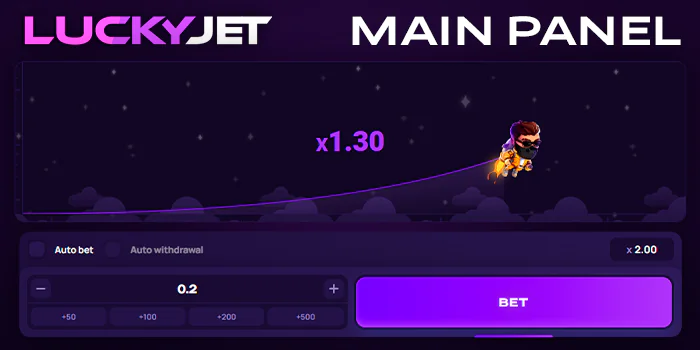
Considering the recent incident involving the Lucky Jet title and its dramatic courthouse case, governmental responses from gaming authorities have become a focal topic of concern. The UK Betting Commission has started a review of the regulations governing internet gambling to tackle potential gaps that may have led to this incident. Experts predict strengthened oversight will focus on customer safeguarding, ensuring that technology used in internet gambling is safe and clear. Additionally, governmental bodies are likely to emphasize the necessity for robust fraud prevention actions. These reactions reflect an pressing requirement to re-evaluate current regulations in light of emerging tech, aiming to harmonize innovation with safeguarding gamer rights and maintaining general trust in the gaming sector.
Future Outlook for Online Gaming Legislation in the UK

While recent occurrences have highlighted weaknesses in the online gaming field, the future forecast for online gaming legislation in the UK seems poised for significant evolution. Foreseen reforms aim to improve consumer protection and promote responsible gambling, driven by elevated scrutiny from diverse stakeholders. This evolution may introduce tighter regulations on advertising methods and payment systems, guaranteeing that players have access to safer gaming settings. Furthermore, requests for enhanced transparency and accountability among operators are expected to transform industry standards. As the government aims to align innovation with regulation, the potential for a more competitive environment could arise, eventually empowering consumers. Thus, the system governing online gaming in the UK will likely evolve to reflect societal needs and technological progress.


